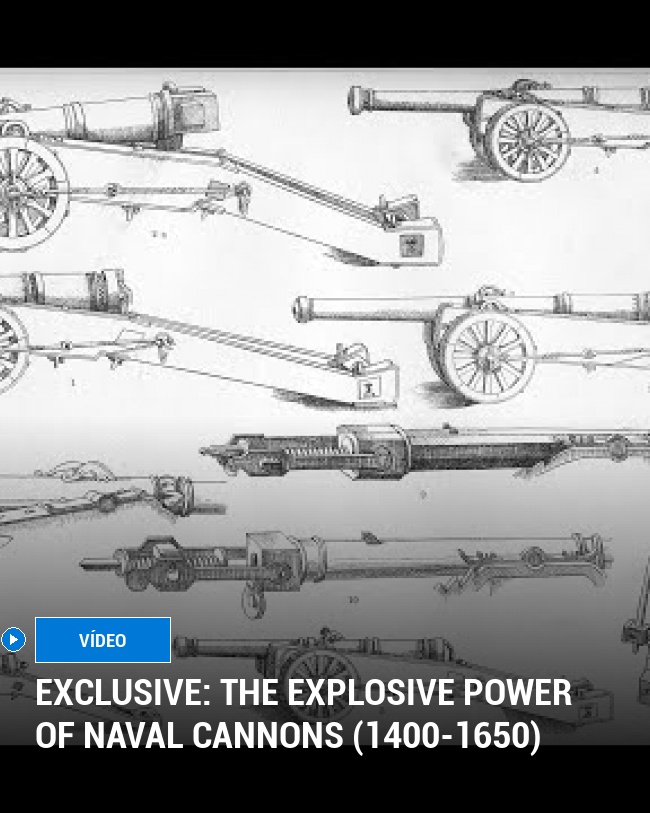
Exclusive: The Explosive Power of Naval Cannons (1400-1650)
By Portal Minas History Desk
The evolution of naval warfare between the 15th and 17th centuries was defined by a single, thunderous innovation: the integration of heavy gunpowder artillery onto sailing vessels. This era transformed the sea from a platform for infantry boarding into a theater of long-range destruction, forever changing the geopolitical landscape of the world.
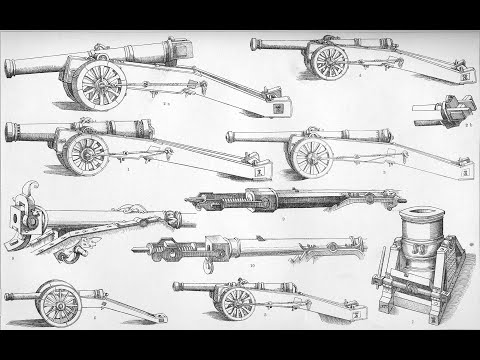
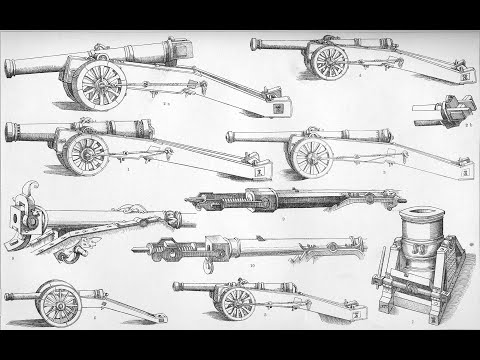
In the early 1400s, naval artillery was primitive. Ships were equipped with small, wrought-iron breech-loaders like pedreros and bombards, primarily used to clear enemy decks before boarding. However, as metallurgy improved, the transition to muzzle-loading cast-bronze and iron cannons allowed for higher propellant charges and heavier projectiles.
Central to this technological leap, particularly in the British context, was the Board of Ordnance. Established to oversee the production, testing, and supply of armaments, the Board ensured that naval vessels were equipped with standardized weaponry. This institutional oversight allowed for the development of specialized naval guns, such as the Culverin, a long-barreled gun designed for long-range accuracy; the Demi-Cannon, a heavy-hitter capable of shattering wooden hulls at medium range; and the Saker, a versatile mid-sized cannon used for both ship-to-ship and ship-to-shore bombardment.
The most significant tactical shift occurred with the invention of the gun port around 1500. By cutting hinged openings in the ship's hull, shipbuilders could place the heaviest cannons on the lower decks, closer to the waterline. This improved the ship's stability while allowing for a broadside, a simultaneous discharge of all guns on one side of the ship, a tactic that became the standard of naval engagement for centuries.
From the defeat of the Spanish Armada in 1588 to the fierce Dutch-Portuguese wars, the explosive power of naval cannons dictated who controlled the trade routes to the Americas and the Indies. The technical data preserved in the Naval History Archive reminds us that the mastery of ballistics was just as important as the mastery of the winds. Today, as we look back at these iron giants, we recognize that the foundations of modern naval strategy were laid in the smoke and fire of the 15th to 17th centuries.
OUTRAS NOTÍCIAS
- Riacho dos Machados, MG: Desvendamos o segredo por trás do nome.
- Sabinópolis, MG: Desvende os segredos para passear, morar e investir.
- Jaboticatubas 2026: Via Sacra Encena eleva fé e reflexão com teatro inédito nas ruas.
- Exclusivo: mergulhe na fé e tradição do Congado em Dom Silvério.
- Barragem de Pai Pedro MG: O impacto real no Rio Serra Branca é revelado.